
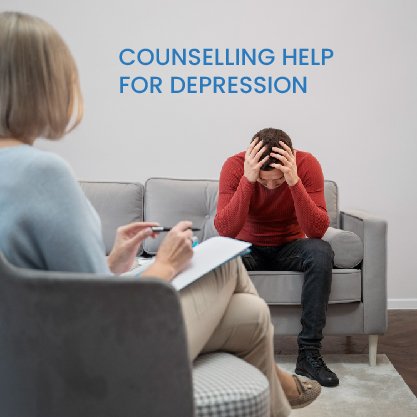
Depression can feel isolating, but effective counselling gives you practical tools, emotional support, and a clear path toward feeling better. Counselling helps you understand what’s driving your low mood, builds coping skills, and pairs with other treatments when needed to reduce symptoms and improve daily functioning.
This article will explain how counselling works for depression, compare common therapy approaches, and show simple steps to find a therapist and start the process. You’ll get clear, actionable information so you can decide whether counselling fits your needs and how to take the next step.
Understanding Counselling for Depression
Counselling helps you identify patterns that feed depressive symptoms, learn specific skills to manage mood, and choose treatments that fit your situation. It includes several evidence-based approaches and delivers measurable benefits like reduced symptom severity, better daily functioning, and tools for relapse prevention.
What Is Counselling for Depression?
Counselling for depression is a professional, structured conversation between you and a trained therapist that focuses on reducing depressive symptoms and improving functioning. Sessions target thoughts, behaviors, relationships, and practical problems that maintain low mood.
You and your therapist set concrete goals—such as reducing rumination, improving sleep, or returning to work—and use techniques tailored to those goals. Frequency often starts weekly and adjusts as you progress; some people combine counselling with medication when symptoms are moderate to severe. Confidentiality, collaborative planning, and measurable progress (using symptom scales or activity logs) are standard parts of treatment.
Types of Counselling Approaches
Common, evidence-based approaches include:
- Cognitive Behavioral Therapy (CBT): You learn to identify and change unhelpful thoughts and behaviors. CBT emphasizes skills like behavioral activation and cognitive restructuring.
- Interpersonal Therapy (IPT): You focus on interpersonal problems—grief, role disputes, role transitions, and social deficits—that contribute to depression.
- Behavioral Activation (BA): You increase engagement in rewarding activities to counteract withdrawal and inactivity.
- Mindfulness-Based Cognitive Therapy (MBCT): You use mindfulness to prevent relapse by changing your relationship to negative thoughts.
Other helpful formats: short-term structured therapy (8–20 sessions), longer-term psychodynamic therapy for deeper patterns, and group therapy for peer support. Your therapist will recommend an approach based on symptom severity, history, and personal preferences.
Benefits of Counselling
Counselling can reduce depressive symptoms, improve daily functioning, and lower relapse risk. You gain practical skills—sleep hygiene, problem-solving, emotion regulation—that you can apply between sessions.
You also get a safe space to process feelings and a collaborative plan for change. Measurable outcomes often include improved mood scores, increased activity levels, and better social or work functioning. If symptoms don’t improve within a reasonable period, therapists typically revisit diagnosis, consider adjunctive medication, or refer you to specialized care.
How to Get Started With Counselling
You’ll choose a counsellor, prepare for the first meeting, and address practical or emotional barriers so you can start treatment with confidence. Focus on evidence-based approaches, clear logistics, and supports that fit your life.
Finding a Qualified Counsellor
Look for licensed professionals in your region—psychologists, registered clinical counsellors, social workers, or psychiatrists—depending on the care you need. Verify credentials on provincial or state regulatory bodies and check for specific training in depression treatments like CBT, IPT, or behavioural activation.
Use these steps to narrow choices:
- Ask your family doctor for referrals and request therapists who treat depression.
- Search trusted directories (provincial college websites, professional associations).
- Read therapists’ bios for experience with your issues and preferred treatment models.
Call or email potential counsellors with these questions:
- Are you licensed and in good standing?
- What modalities do you use for depression?
- What are your fees, cancellation policy, and availability?
Consider logistics: location, teletherapy options, sliding scale fees, and wait times. Trust your initial impressions; comfort and clear communication are essential for effective counselling.
Preparing for Your First Session
Gather a brief history: current symptoms, medication list, past mental health care, major life events, and any safety concerns. Write down what you want to achieve in therapy—specific goals help your counsellor tailor treatment from the first session.
Bring practical items:
- ID and insurance or billing details.
- A list of medications and dosages.
- Notes about sleep, appetite, substance use, and suicidal thoughts if present.
Expect the first session to include assessment questions and goal-setting rather than deep therapy work. Be ready to discuss confidentiality limits, session length, frequency, and crisis plans. If you feel anxious, tell the counsellor; they can explain the process and set a comfortable pace.
Overcoming Barriers to Seeking Help
Common barriers include cost, stigma, time constraints, and uncertainty about whether counselling will help. Address cost by asking about sliding scales, community clinics, employer assistance programs, or virtual services that often reduce fees.
Manage time and access barriers by:
- Choosing teletherapy to avoid travel.
- Booking a regular weekly slot and treating it as a medical appointment.
- Using short-term focused therapy if long-term care isn’t feasible.
Handle emotional barriers with practical steps:
- Share concerns with a trusted friend or your doctor for encouragement.
- Start with a single consultation to reduce pressure.
- If you’ve had poor experiences with therapy before, ask prospective counsellors how they approach clients who were dissatisfied previously.
If safety is a concern—suicidal thoughts or self-harm—contact emergency services or a crisis line immediately before waiting for a counselling appointment.







Leave a Reply