
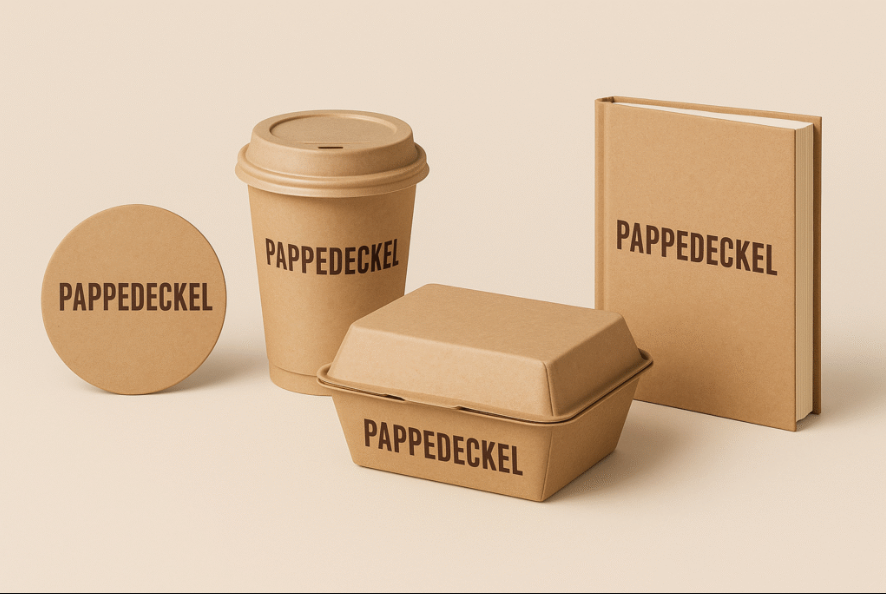
The term Pappedeckel is a rare linguistic phenomenon. This single word has simultaneously captured the attention of two vastly different worlds: the technical realm of sustainable packaging and the playful landscape of internet culture. At its core, Pappedeckel is a German compound word. However, its modern relevance extends far beyond its literal translation. It embodies a fascinating intersection of environmental responsibility and digital communication.
This article provides a comprehensive, 1200+ word exploration of the Pappedeckel trend. First, we will delve into its literal meaning as a revolutionary eco-friendly packaging solution. Next, we will analyze its emergence as a viral piece of internet slang. Finally, we will discuss the profound implications of this dual identity for businesses, content creators, and consumers alike. Understanding both facets of Pappedeckel gives us insight into two of the most pressing modern priorities: sustainability and community-driven language.
The Literal Meaning: Pappedeckel as a Sustainable Packaging Revolution
In its most traditional and technical sense, Pappedeckel (from the German Pappe meaning cardboard/paperboard and Deckel meaning lid/cover) refers to a paperboard lid or paper-based closure. These lids are designed as a direct, lightweight, and often compostable alternative to conventional rigid plastic screw or snap caps used on cups, jars, and containers.
The sudden surge in the term’s popularity within the packaging industry is not accidental; it is a direct response to a global environmental crisis and evolving consumer demands.
The Environmental Imperative: Why Paperboard Lids are Needed
The global reliance on single-use plastic packaging has created an environmental catastrophe. High-quality studies estimate that global plastic waste generation is reaching staggering levels, with figures projected to hit 225 million tonnes in 2025 . Furthermore, the low recycling rates and the persistence of plastic in landfills and natural environments create immense pressure on brands. They must find viable alternatives.
| 19 This pressure is compounded by regulatory changes, such as bans on single-use plastics in various jurisdictions. We also see a significant shift in consumer behavior. Shoppers are increasingly making purchasing decisions based on a brand’s visible commitment to sustainability. Consequently, packaging becomes one of the most critical touchpoints for communicating eco-values.ckaging Material | Environmental Challenge | Pappedeckel Solution |
| Single-Use Plastic | Low recycling rates, persistence in environment, petroleum-based. | High recyclability/compostability, made from renewable fiber sources. |
| Glass/Metal | High weight, high transport emissions, high energy cost for production. | Lightweight, reduces shipping weight and associated transport emissions. |
| Conventional Paper | Low moisture/grease barrier, poor seal integrity. | Uses bio-coatings and lamination to achieve necessary barrier performance. |
How Pappedeckel Works: Materials, Manufacturing, and Functionality
Pappedeckel lids are typically manufactured using sophisticated processes that transform paperboard or molded pulp into a functional closure.
•Materials: The base material is usually paperboard sourced from certified sustainable forests. These lids often incorporate thin bio-coatings, compostable films, or food-grade waxes. These barrier layers are crucial for preventing leaks and maintaining product freshness. Ultimately, they are the key to making paper a viable alternative to plastic.
•Manufacturing: Common methods include die-cutting for flat lids, and heat-forming or molding for three-dimensional shapes that can snap onto a container. The paperboard’s surface is also highly receptive to printing, allowing brands to use the lid as a canvas for high-quality graphics, regulatory information, and sustainability messaging.
•Functionality: A successful Pappedeckel design must replicate the three core functions consumers expect from a lid: seal integrity (keeping contents fresh), ease of use (simple open/close action), and shelf-life compatibility (withstanding temperature and moisture changes).
Benefits and the Future of Paperboard Packaging
The benefits of adopting Pappedeckel-style packaging are multi-faceted, touching on environmental, logistical, and marketing aspects.
1.Environmental Leadership: Paperboard and compostable closures drastically reduce the lifetime environmental burden compared to petroleum-based plastics, especially when designed for local waste streams. This shift to paperboard has been widely recognized as an eco-friendly solution .
2.Enhanced Branding: The printable surface allows brands to visibly communicate their sustainability credentials, which directly increases shelf presence and appeals to the growing segment of eco-conscious consumers.
3.Logistical Efficiency: Paper lids are typically lighter than their plastic counterparts, leading to small but significant reductions in shipping weight and associated transport emissions when scaled across millions of units.
The market trend strongly supports this shift. The global paper and paperboard packaging market, valued in the hundreds of billions, is projected to see substantial growth. Some forecasts estimate it will reach $451.8 billion by 2030 . This growth trajectory validates the business case for investing in Pappedeckel solutions. This investment is driven by innovation in moisture resistance, better composting infrastructure, and clearer labeling standards.
The Cultural Phenomenon: Pappedeckel as the Internet’s Favorite Placeholder
Simultaneously, Pappedeckel has taken on a completely different life in the digital sphere. It is emerging as a viral piece of internet slang. In this context, it functions as a nonsense or placeholder term—a “thingamajig,” “whatchamacallit,” or “doodad” for the modern digital age.
From German Compound to Digital Slang
The word’s success as slang is rooted in its unique linguistic appeal. For instance:
•Phonaesthetics: The word’s sound—with its hard “p” and “d” sounds and its distinct Germanic rhythm—gives it a memorable, slightly quirky feel. It sounds important and official, which makes its use as a placeholder for something trivial or forgotten inherently humorous.
•Ambiguity as a Feature: The online community embraces the word’s ambiguity. It can be used to refer to a missing object (“Where did I put the pappedeckel for this jar?”), a quirky mood (“I’m feeling a bit pappedeckel today”), or simply an inside joke between strangers. This flexibility makes it the perfect linguistic tool for platforms like TikTok, Twitter/X, and Reddit. This is because these platforms thrive on short bursts of text and rapid recontextualization.
Cultural Impact and Community Bonding
Viral nonsense words like Pappedeckel are more than just entertainment; they are powerful tools for community building and cultural commentary.
•Social Glue: Using the term signals membership in a subculture. Memes and novel slang act as social glue, accelerating the formation of group identity and creating a shared sense of in-group wit.
•Communication Economy: The internet rewards concise, reusable concepts in the fast-paced world of online communication. Pappedeckel is a high-value social asset. Why? Because it captures a familiar, shared human experience—the frustration of forgetting a word or misplacing an object—in a single, memorable term.
•Cross-Cultural Play: The term also highlights the cross-cultural interplay of the internet. A word that sounds distinctly German is adopted by English speakers for its novelty, demonstrating how language adapts and migrates through humor and media coverage.
Bridging the Two Worlds: Strategy for Brands and Creators
The dual nature of Pappedeckel presents a unique opportunity for brands and content creators to demonstrate Experience, Expertise, Authority, and Trust (EEAT). The ability to speak fluently about both the technical packaging innovation and the cultural slang trend establishes a rare level of authority.
EEAT Optimization through Dual Expertise
To leverage Pappedeckel for SEO and EEAT, content must cover both aspects with depth:
| EEAT Component | Strategy for Pappedeckel Content |
| Experience | Showcase first-hand knowledge of packaging materials, manufacturing processes, or real-world testing of paperboard lids. |
| Expertise | Provide accurate market data, cite authoritative sources on plastic waste and market growth, and use correct German terminology. |
| Authority | Create comprehensive, structured content (like this article) that serves as a definitive resource for both the technical and cultural meanings. |
| Trust | Be transparent about the limitations of paperboard (e.g., barrier performance) and responsibly address the slang meaning without trivializing the sustainability claims. |
Strategic Crossover Marketing
For brands that actually use paperboard lids, the slang meaning of Pappedeckel offers a unique marketing opportunity. A tasteful play on the meme can boost reach and appeal to younger, meme-savvy audiences, provided it is executed responsibly.
For example, a brand could use playful copy like: “Lost your lid? Don’t worry, we’ve got the Pappedeckel for that!” or “Our Pappedeckel is no nonsense, just 100% compostable.” This type of crossover increases shareability without undermining the core sustainability message. However, brands must avoid “greenwashing” or confusing consumers about the environmental claims. Transparency is paramount.
Conclusion: The Significance of Semantic Pluralism
Pappedeckel is an elegant example of modern semantic pluralism: one word, two valuable lives. In the physical world, it represents a practical, increasingly viable solution to the plastic crisis—a tool for brands to improve sustainability, reduce waste, and align with evolving regulation and consumer preference. In the digital world, it is a playful linguistic tool that demonstrates how people create meaning and community online.
The word’s journey from a technical German compound to a global trending keyword underscores a key lesson for the digital age. The most successful concepts are those that are both practical and culturally resonant. Whether you are a packaging executive seeking a sustainable alternative or a content creator looking for the next viral term, Pappedeckel offers a compelling narrative. It shows how small things—a lid, a word—can reflect and influence much larger cultural shifts toward a more sustainable and expressive future.
Frequently Asked Questions (FAQ)
Q1: Is “Pappedeckel” a real German word?
Yes, it is a real German compound word. It is formed from Pappe (cardboard/paperboard) and Deckel (lid/cover). The literal meaning is “cardboard lid.” However, its modern cultural meanings (as a sustainable product and as internet slang) are contemporary and context-driven.
Q2: Is Pappedeckel packaging always compostable?
Not always. Pappedeckel lids are often made from paperboard, which is recyclable. They are only compostable if they are made from uncoated paperboard or if they use certified compostable bio-coatings and films. Consumers must always check the product labeling and align with their local waste management and composting rules.
Q3: What does “Pappedeckel” mean as internet slang?
As internet slang, Pappedeckel is a placeholder noun or a nonsense word. It is used playfully to refer to a “thingamajig,” a missing object, a quirky mood, or simply an inside joke between people in a digital community. Its exact meaning is flexible and negotiated in the moment.
Q4: Can Pappedeckel replace plastic lids for all products?
Not yet. While Pappedeckel is highly versatile, products requiring extremely high moisture or oxygen barriers (such as long-shelf-life dairy or highly oily foods) may still require specialized solutions or hybrid designs, as paperboard alone cannot always provide the necessary barrier performance.
Q5: How can brands use the “Pappedeckel” trend responsibly?
Brands should use the trend responsibly by focusing on transparency. They should clearly state the materials and certifications of their paperboard lids. If they choose to reference the slang meaning in marketing, they must do so playfully and without trivializing the serious environmental claims of their sustainable packaging.
Hungry for more? Head over to my website for fresh articles.






Leave a Reply